
Heart problems are quiet until they are not.
Most heart disease in dogs and cats is found at a routine exam, as a murmur, before the owner has noticed anything. We screen for it, work it up with blood markers, X-ray, ultrasound, and blood pressure, and manage it long term. When a case needs a board certified cardiologist, we say so and refer.
Screening at every wellness exam · imaging on site
What to watch for at home
None of these are proof of heart disease on their own. Together, or persisting, they are a reason to get your pet looked at.
- A cough that keeps coming back, especially at night or after lying down
- Getting tired or out of breath sooner than they used to
- Fast breathing or panting while resting or asleep
- Fainting or collapse, even briefly
- Pale or bluish gums
- Loss of appetite, or losing condition without an obvious reason
Do not wait
Struggling to breathe is an emergency
Labored breathing, collapse, fainting, or gums that have gone pale or blue need to be seen now, not at the next available appointment. Call us during our hours and we will tell you to come straight in. Outside them, go to an emergency hospital.
Call (630) 541-8088See emergency and urgent care →How we work up a heart case
We do not run every test on every patient. What we heard and what you have noticed decide which of these are actually worth doing.
It starts with a stethoscope and an unhurried few minutes. Most of the heart disease we find here turns up that way, at a routine visit, in a pet whose owner had not noticed anything wrong yet.
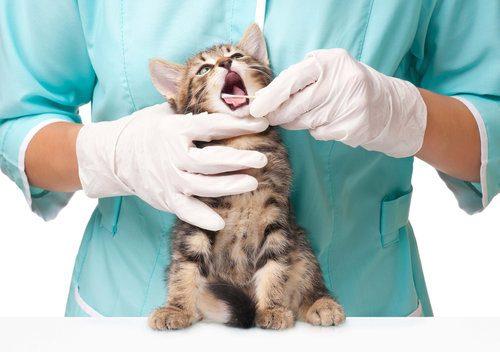
A proper physical exam
Listening to the heart and lungs, grading any murmur, checking pulses and gum color. Most heart disease here is first found at a routine wellness visit.
Cardiac blood markers
Cardiac peptide levels help separate heart problems from other causes of the same signs. They are already in several of our wellness panels.
Digital X-ray
Shows heart size and shape and whether fluid is backing up into the lungs, which is what turns heart disease into an emergency.
Ultrasound
Lets us look at the heart while it is working rather than guessing from a silhouette.
Blood pressure
High or low blood pressure can both point at heart disease, and it changes what treatment is safe.
Referral when it is warranted
For a formal echocardiogram or a complex congenital case we send you to a board certified cardiologist. Knowing when to do that is part of the job.
Heart questions owners actually ask
What are the signs of heart disease in a dog or cat?
The common ones are a persistent cough, difficulty breathing, tiring quickly on walks, fainting, lethargy, loss of appetite, pale gums, and fast breathing or panting at rest. A heart murmur is often found at a routine exam before an owner has noticed anything at all.How urgently should I come in?
If your pet is struggling to breathe, has collapsed, or has fainted, treat it as an emergency and call us straight away on (630) 541-8088 during our hours, or go to an emergency hospital. For a cough or reduced stamina that has crept in gradually, book a visit soon rather than waiting to see whether it passes.My vet heard a murmur. Does that mean heart disease?
Not always. Some murmurs are innocent, particularly in young animals, and some are the first sign of something that needs managing. The murmur itself only tells us to look further. What matters is grading it and then deciding which tests, if any, are worth doing.How do you investigate a heart problem?
It starts with history and a proper physical exam, listening to the heart and lungs and checking pulses. From there we can use chest X-rays, blood pressure, and cardiac blood markers, and ultrasound to look at the heart working. Which of those we reach for depends on what we heard and what you have noticed at home.What is a cardiac peptide test?
It is a blood marker that helps tell heart related changes apart from other causes of the same symptoms, which is particularly useful in cats. It is included in several of our wellness panels, so for many patients we already have a baseline before anything goes wrong.Do you refer to a veterinary cardiologist?
Yes, when it is the right call. Board certified veterinary cardiologists are a small specialty, and for a complex congenital defect or a case that needs a formal echocardiogram we will get you to one rather than working at the edge of what we can do here. We handle the screening, the workup, and the ongoing management, and we are straight with you about where that line sits.Are some breeds more at risk?
Yes. Cavalier King Charles Spaniels have a well known risk of valve disease, and several other breeds carry their own predispositions. Cats tend to hide heart disease until it is advanced, which is why screening matters even when they seem fine. Ask us what is relevant for your pet's breed.Can heart disease be treated?
Managed, usually, and often for a long time. Medication controls symptoms and can slow progression, and diet changes help. Congenital defects sometimes need surgical correction. Catching it early is what buys the most time and comfort, which is the whole argument for screening.
Book a heart check.
If you have heard the word murmur, or your pet is tiring more easily than they used to, let us take a proper listen.